A Very Silent Auction

In celebration of what would have been Jim Mirrlees' 90th birthday, we invite you to participate in an auction of art, memorabilia, and books signed by Jim from his personal library, generously donated by the Mirrlees family and artist Yu Ji. All the proceeds will go towards establishing a fund in Jim's memory for scholarships and/or distinguished academic visitors to Nuffield College.*
The auction closed in July 2026. But you can practice bidding (and see the items offered) below.
We do not know the identities of the winners but thank them for the thousands of pounds they paid.
We also thank all the over 70 unique bidders (many of whom made multiple bids) who participated.
How the bidding works
No one will know whether you have bid, or what you have bid on. The only exception is that Lottie Madden in the Development Office will know who has won what objects, and the prices they have to pay.
Rules: You can make as many bids as you like, which will represent the maximum amounts you would be willing to pay, of any or all of the following kinds:
Simple bids: You can make one or more bids for a single object each. For example, you might bid £100 for the soap statue, and independently bid £150 for the bronze statue--you might then win both.
"OR" bids: You can also make bids of the form "I will pay £X for object A, or £Y for object B, or £Z for object C, or ...". In this case, at most one of these offers will be successful. For example, one OR bid might offer £200 for the soap statue or £300 for the bronze statue; it could win either statue, but not both. Similarly, an OR bid across several of Jim's books expresses your preferences across them while winning at most one of those books. Separate bids that cover overlapping objects, however, may each win one object.
"Any book" bids: "Any book" is a convenient shorthand for an OR bid that places the same value on every book in the auction. If you bid £40 for "Any book", the auction may allocate you any one book at a price up to £40, but this bid will never win more than one book. You can also combine "Any book" with named books in the same OR bid: for example, you might bid £40 for "Any book" but £75 for a particular book you especially want. The bid remains an OR bid, so it can still win at most one book.
Outcome: The auction computes competitive-equilibrium prices and allocations, specifically the unique lowest prices that balance supply and demand. You will be contacted by Lottie Madden about your winnings. Packaging and shipping costs will be covered by Nuffield College.
For more background and why "truthful" bidding is generally the best strategy, see below. Edwin Lock and Paul Klemperer will be happy to answer any questions.
Items on offer
General items
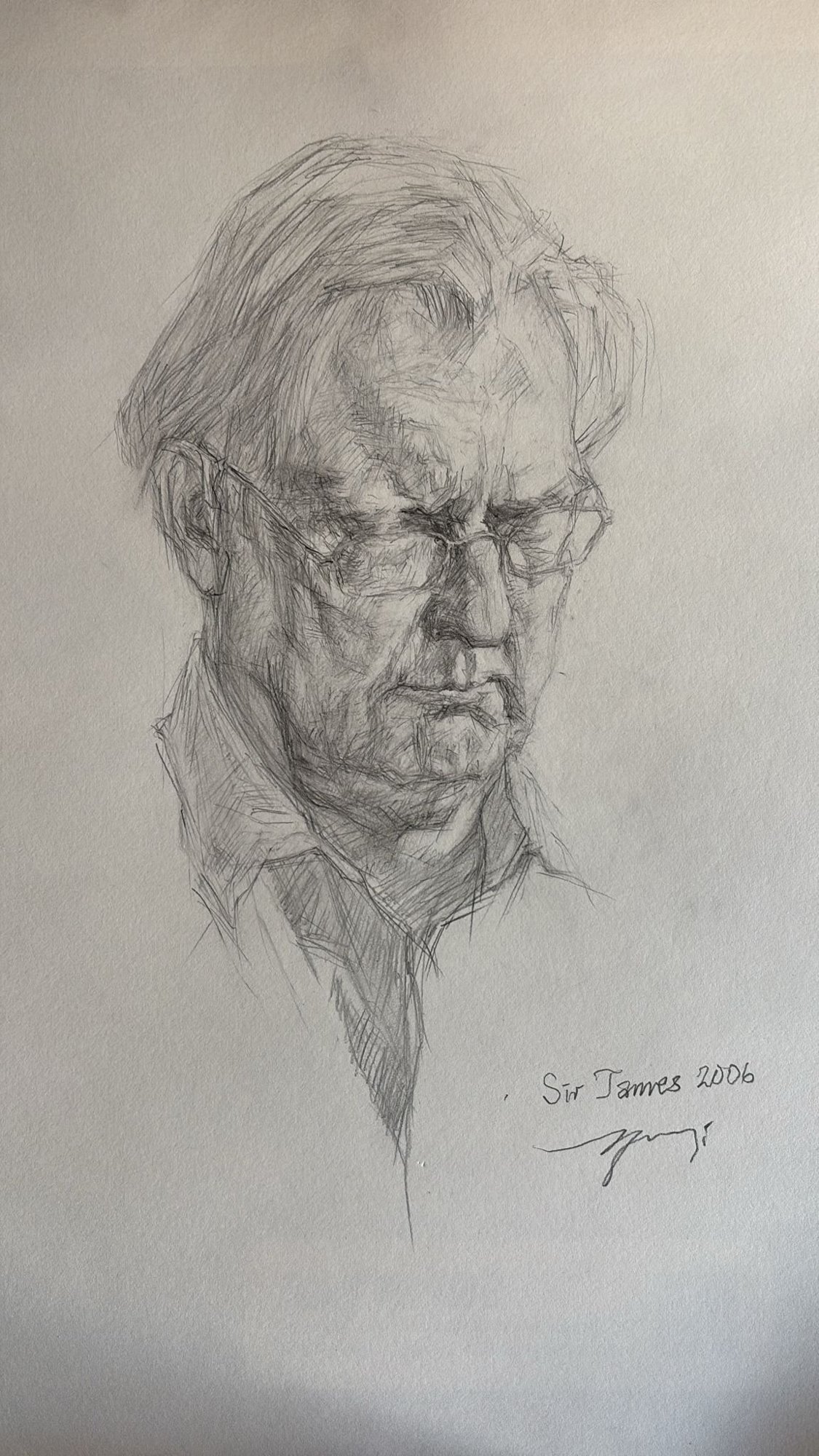
Artwork
A sketch of Jim Mirrlees by artist Yu Ji, donated by the artist himself. Yu Ji was commissioned to paint a portrait of Jim in celebration of Jim's 70th birthday, now displayed in the Scottish National Portrait Gallery.

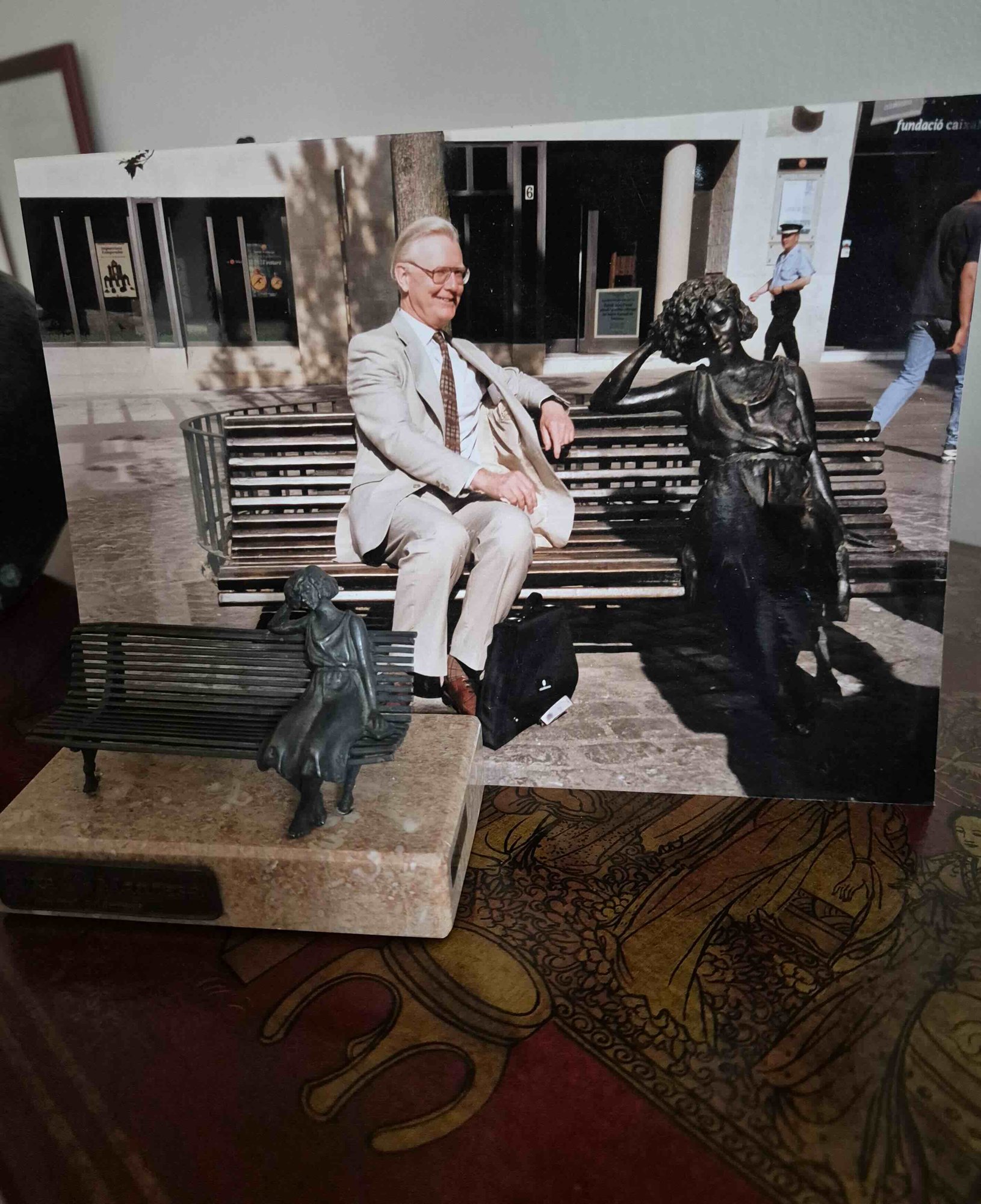
Bronze statue
A l’ombra (In the Shade), 1990, after the life-size bronze sculpture by Ramon Oms (b.1951). The original sculpture is situated in the Plana de l’Om in Manresa and depicts a woman seated on a bench in the shade of the elm tree.
This bronze miniature from Jim's private collection depicts the seated woman on a bench and is mounted on a polished stone base. It was presented to Jim by Caixa Manresa, the savings bank, while he was attending a congress in Manresa in 1997.
Approximate dimensions: 2 × 2 × 4 inches (5 × 5 × 10 cm)
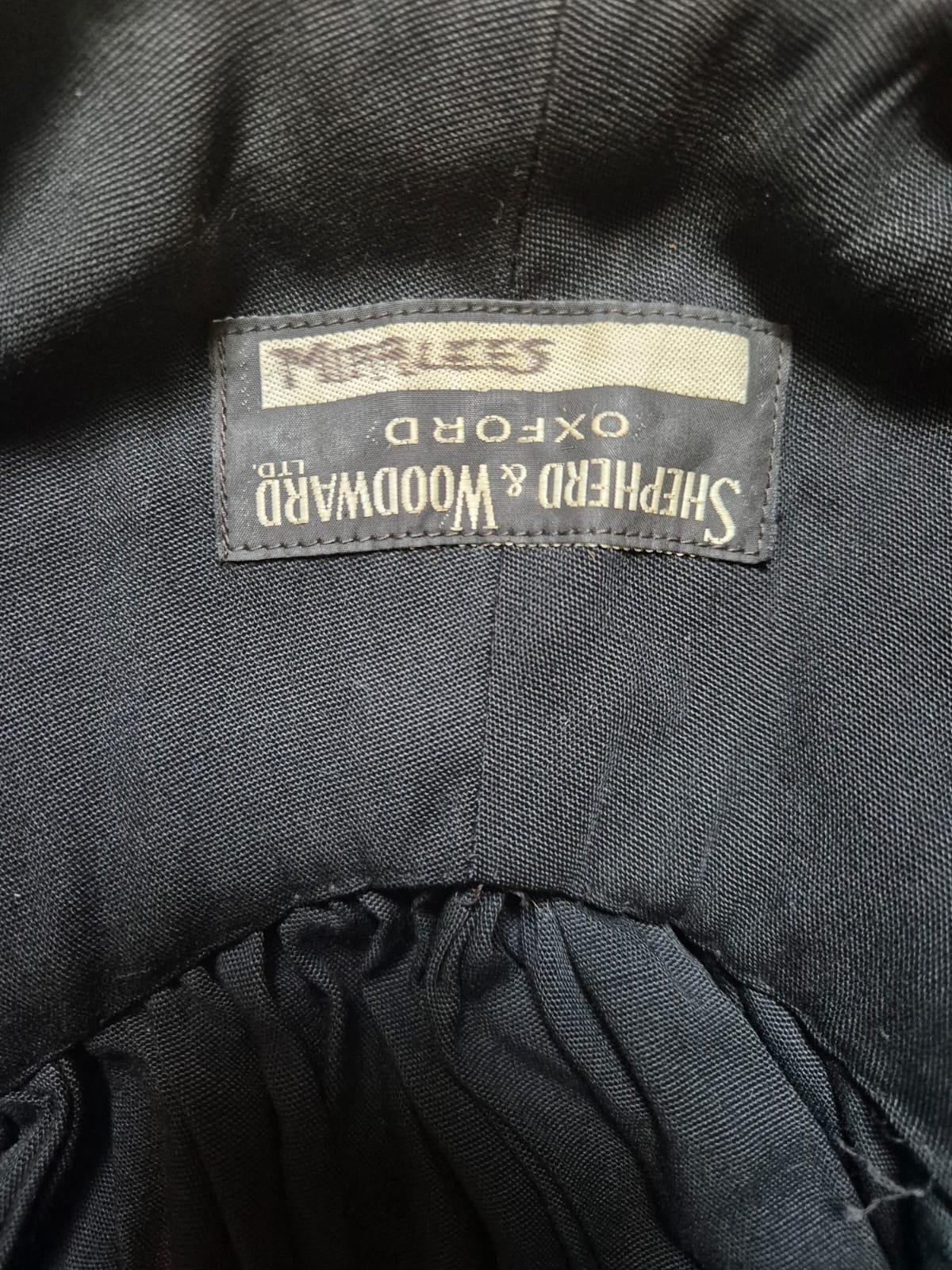
Oxford University Academic gown
Jim's Oxford University academic gown, with his name inked on the label. Generously donated by Patricia Mirrlees.


Soap statue of Jim
A beautifully carved soap statue of Jim, created in China during one of his visits. The statue presents Mirrlees in a dark business suit, rendered in a distinctive caricature style with an oversized, highly detailed head and expressive facial features. It is mounted on a rectangular plinth inscribed with his name in Chinese and English. The work is a good likeness. Artist and date unknown.
Approximate dimensions: 5 × 2 × 8 inches (13 × 5 × 20 cm)
Books
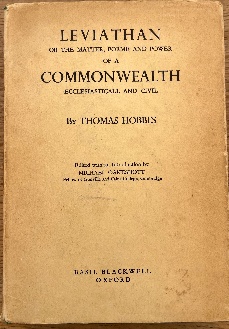
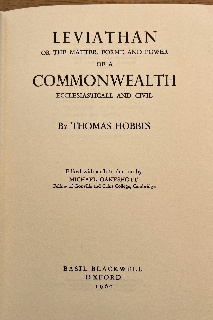
Leviathan
or, the Matter, Forme and Power of a Commonwealth, Ecclesiasticall and Civil
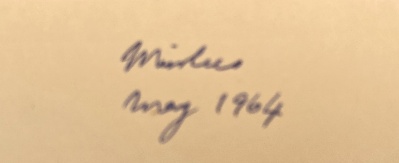
By Thomas Hobbes (1960). From Jim's library, signed by Jim.
Hobbes's Leviathan is one of the defining works of political philosophy, arguing for sovereign authority as the answer to disorder and civil conflict. Its account of human nature, obligation, and the state remains a touchstone for political theory.
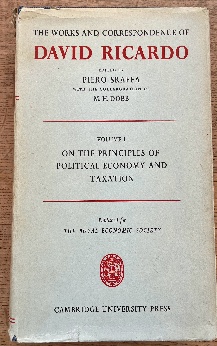
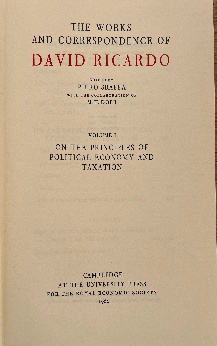
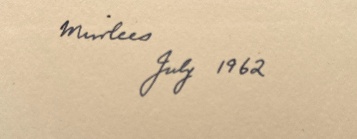
The Works and Correspondence of David Ricardo Vol. 1
Principles of Political Economy and Taxation
Edited by Piero Sraffa (with M.H. Dobb) (1962). From Jim's library, signed by Jim.
This volume contains Ricardo's Principles of Political Economy and Taxation, one of the central works of classical political economy. Sraffa's edition is renowned for its scholarly care and for placing Ricardo's arguments in their broader intellectual context.
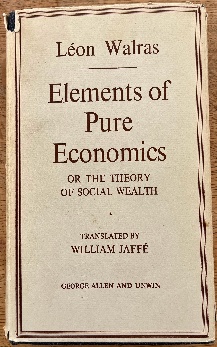
Elements of Pure Economics
or, The Theory of Social Wealth
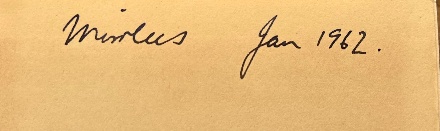
By Léon Walras (1954). From Jim's library, signed by Jim.
Walras's classic work sets out the foundations of general equilibrium theory, linking markets, prices, and social wealth in a single formal system. It is one of the landmark texts behind modern mathematical economics.
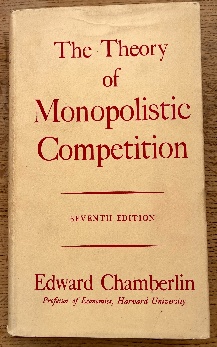
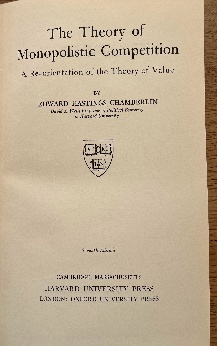
The Theory of Monopolistic Competition
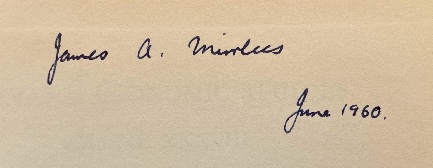
By Edward Chamberlin (1956). From Jim's library, signed by Jim.
Chamberlin's influential book develops the theory of markets in which firms have some pricing power because products are differentiated. It helped shape modern thinking about competition, monopoly, and imperfectly competitive markets.
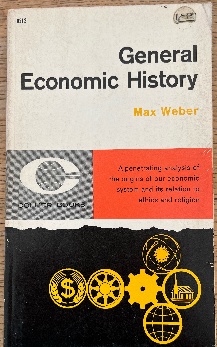
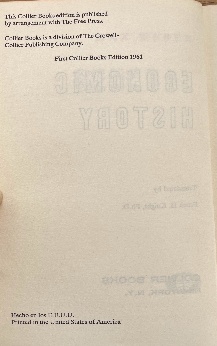
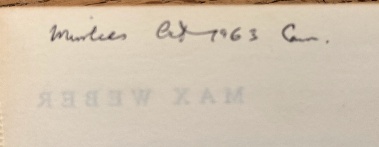
General Economic History
By Max Weber (1961). From Jim's library, signed by Jim.
Weber surveys the long-run development of economic institutions, from ancient societies to modern capitalism. The book brings together economic history, sociology, and Weber's distinctive interest in authority and social organisation.
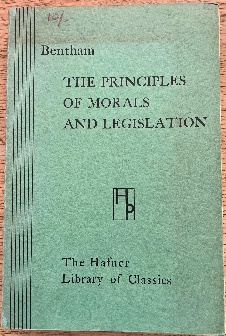
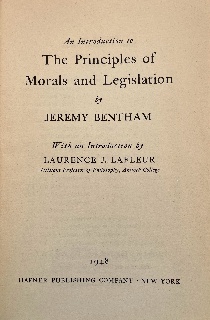
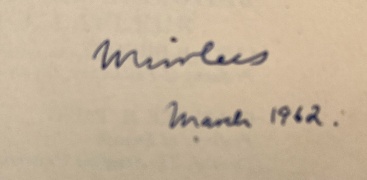
The Principles of Morals and Legislation
By Jeremy Bentham (1948). From Jim's library, signed by Jim.
Bentham's foundational utilitarian text argues that law and policy should be judged by their consequences for human welfare. It remains a central work for moral philosophy, legal theory, and welfare economics.
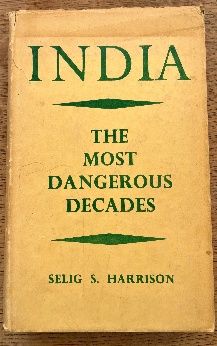
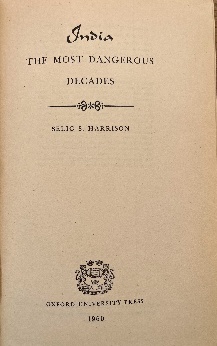
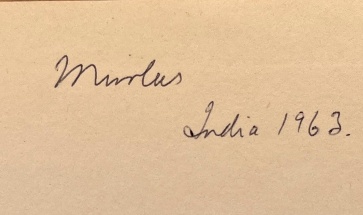
India: The Most Dangerous Decades
By Selig S. Harrison (1960). From Jim's library, signed by Jim.
Harrison examines the political pressures facing India in the years after independence, with particular attention to regional, linguistic, and social tensions. It is a vivid contemporary account of a new democracy trying to hold together under enormous strain.
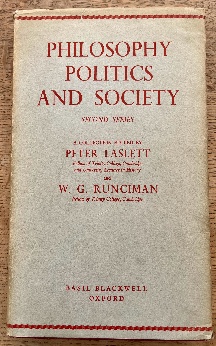
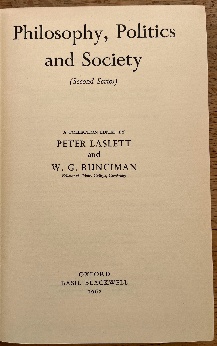
Philosophy, Politics and Society
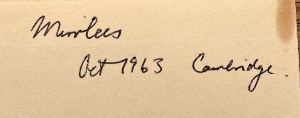
Edited by Peter Laslett and W.G. Runciman (1962). From Jim's library, signed by Jim.
This collection brings together essays on political theory, social philosophy, and the relationship between institutions and values. It reflects the mid-century conversation between philosophy, politics, and the emerging social sciences.
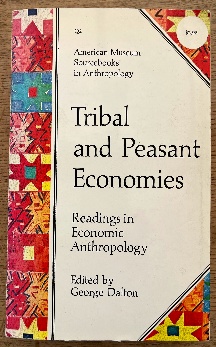
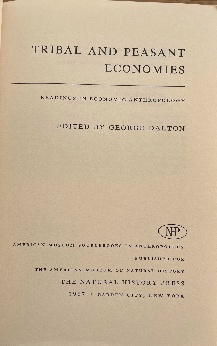
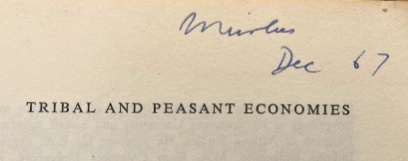
Tribal and Peasant Economies
Readings in Economic Anthropology
Edited by George Dalton (1967). From Jim's library, signed by Jim.
This collection gathers readings in economic anthropology, covering production, allocation, trade, and money across non-industrial economies. It ranges from traditional subsistence and peasant communities to societies undergoing economic change and development.
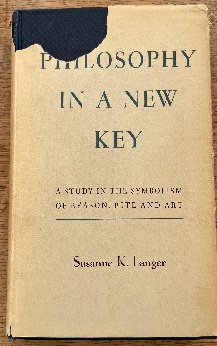
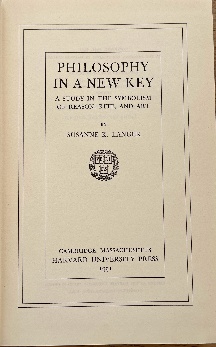
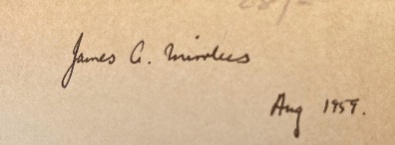
Philosophy in a New Key
By Susanne K. Langer (1951). From Jim's library, signed by Jim.
Langer argues that symbolism is central to human thought, art, language, and feeling. The book became an important bridge between philosophy, aesthetics, psychology, and cultural theory.
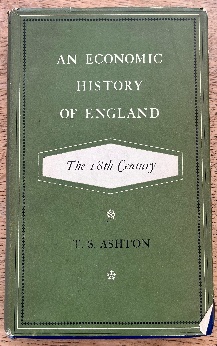
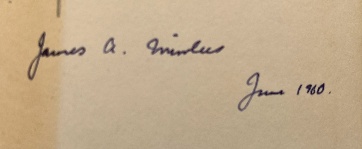
An Economic History of England
The Eighteenth Century
By T.S. Ashton (1955). From Jim's library, signed by Jim.
Ashton gives a concise account of England's eighteenth-century economic transformation, including industry, trade, agriculture, and finance. It is a classic treatment of the background to the Industrial Revolution.
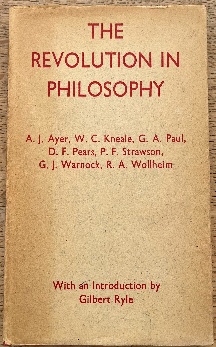
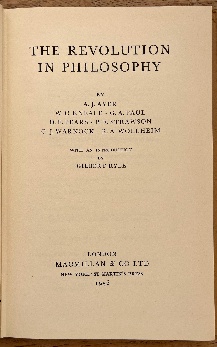
The Revolution in Philosophy
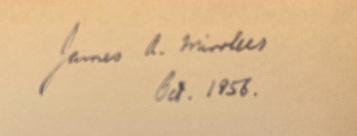
By Ayer, Kneale, Paul, Pears, Strawson, Warnock, Wollheim (1956). From Jim's library, signed by Jim.
This collection introduces the major movements in twentieth-century analytic philosophy, especially the turn toward language, logic, and ordinary usage. Its contributors include several leading figures in post-war Oxford philosophy.
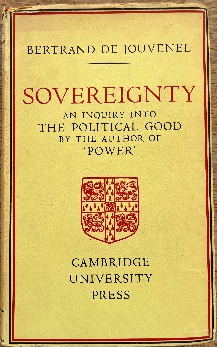
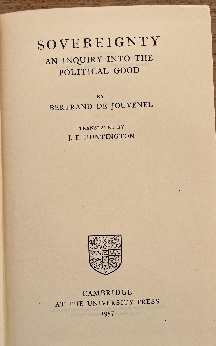
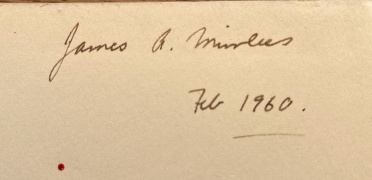
Sovereignty
An Inquiry into the Political Good and the Nature of Power
By Bertrand de Jouvenel (1957). From Jim's library, signed by Jim.
De Jouvenel examines the idea of sovereignty and the growth of political authority in modern states. The book is a reflective study of power, legitimacy, and the limits of government.
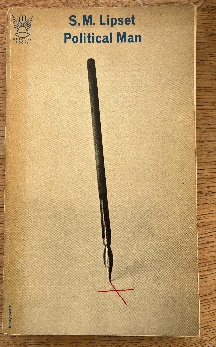
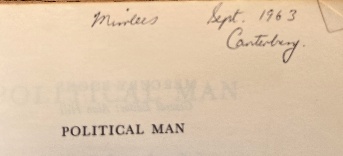
Political Man
The Social Bases of Politics
By Seymour Martin Lipset (1963). From Jim's library, signed by Jim.
Lipset studies the social conditions that support democratic politics, including class, economic development, and political culture. It is a major work in political sociology and comparative politics.
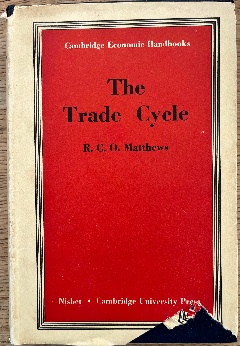
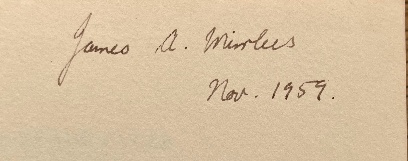
The Trade Cycle
By R.C.O. Matthews (1959). From Jim's library, signed by Jim.
Matthews analyses business cycles and the recurrent fluctuations of economic activity. The book reflects the post-war effort to understand instability, growth, and macroeconomic policy.
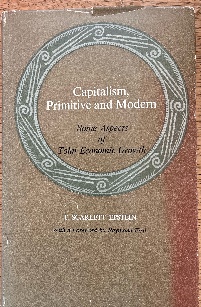
Capitalism, Primitive and Modern
Some Aspects of Tolai Economic Growth
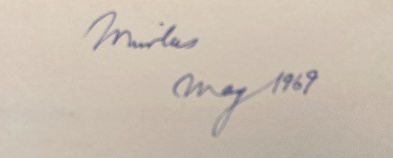
By T. Scarlett Epstein (1968). From Jim's library, signed by Jim.
Epstein's study examines economic growth among the Tolai of New Britain, in Melanesia, whose monetised society already had many capitalistic features before European contact. The book sits at the intersection of development economics, anthropology, and social change.
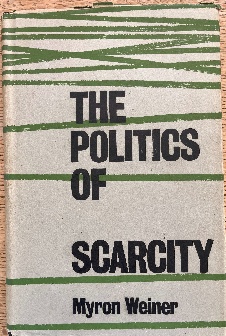
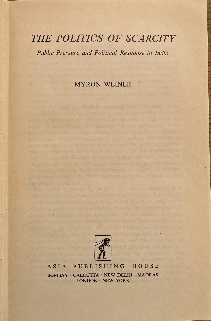
The Politics of Scarcity
Public Pressure and Political Response in India
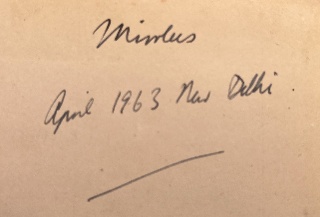
By Myron Weiner (1963). From Jim's library, signed by Jim.
Weiner examines the interest and pressure groups of post-independence India — trade unions, business, agrarian movements, students, and others — and how a democracy reconciles their rising demands with scarce resources. It is a major study in Indian political development.
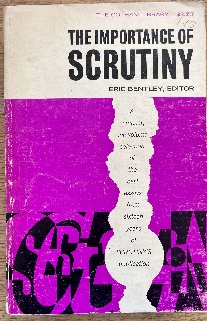
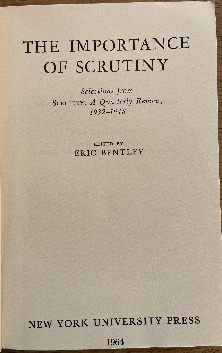
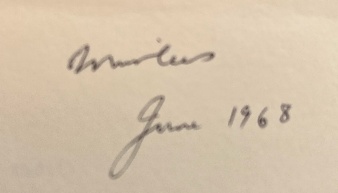
The Importance of Scrutiny
Selections from Scrutiny, a Quarterly Review, 1932–1948
Edited by Eric Bentley (1964). From Jim's library, signed by Jim.
This selection gathers essays from Scrutiny, the influential literary journal associated with F.R. Leavis and close critical reading. It captures a powerful strand of mid-century literary criticism and cultural argument.
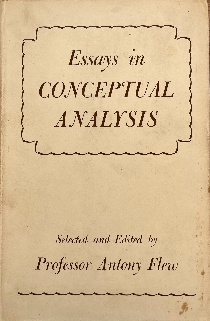
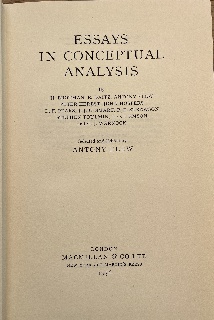
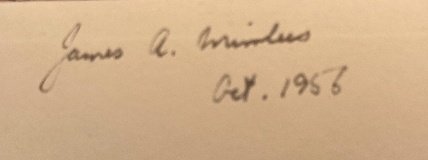
Essays in Conceptual Analysis
Selected and edited by Antony Flew (1956). From Jim's library, signed by Jim.
This collection presents essays in the analytic tradition, using close attention to concepts and language to clarify philosophical problems. It reflects the style of mid-century British philosophy in which Flew was a prominent voice.
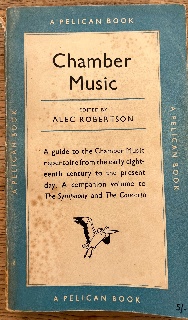
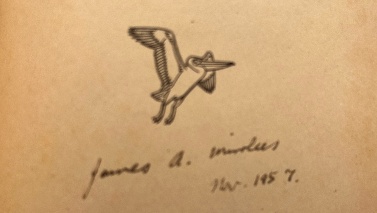
Chamber Music
Edited by Alec Robertson (1957). From Jim's library, signed by Jim.
This Pelican volume gathers contributors on chamber music and its repertoire, from the early eighteenth century to the twentieth. A companion to The Concerto and The Symphony, it is an accessible guide to listening, form, and the intimate scale of ensemble performance.
More about the Auction
Many of you will recognise that this auction is similar to a Vickrey auction**—named after Jim's co-Nobel prize winner—but the multi-object version of the Vickrey auction (the "VCG") does not find competitive equilibrium. Our auction is in fact a simplification of the Product-Mix Auction that Paul Klemperer (Jim’s successor as Oxford’s Edgeworth Professor) designed for the Bank of England in 2007-8 at the beginning of the financial crisis. The Bank still runs its version regularly, and has sold almost £400 billion of repos using it. (We expect to raise a little less!)
This version has been programmed by Prof. Edwin Lock (Nuffield Research Fellow, 2021-24) who (along with Prof. Elizabeth Baldwin, Nuffield Research Fellow 2016-2017; MPhil Economics 2008) has been involved with Paul in the further development of the Product-Mix Auction.
For more on this auction, see this paper, or this 5-minute film published by the Guardian newspaper.
Equilibrium and "truthful" bidding
Each bidder's demand in this auction is captured by their bids, as described above. The auction will find the unique lowest competitive equilibrium prices. That is, it will find the unique lowest prices that balance supply and demand, assuming everyone has made bids that accurately reflect their true preferences. It will also allocate the goods according to competitive equilibrium.† It follows that if your bids accurately reflect your true preferences, you will be allocated whatever is best for you at the prices set by the auction, that is, whatever you would have chosen if you had known the final prices in advance. Moreover, you are unlikely to gain much, if anything, by choosing bids that misrepresent your preferences.‡ If any bidders are indifferent about whether, or what, they are allocated at the final prices, these ties are broken randomly.
Simple example: Suppose Paul bids £100 for the soap statue of Jim, and Elizabeth bids £150. Elizabeth wins: her bid is high enough to beat Paul's, and she pays £100. If Edwin also bids £125, Elizabeth still wins, but now pays £125. (With many OR bids, of course, the calculation is considerably more complex.) In this simple single-item case, if these bids are the bidders' true values, no bidder could have gained by choosing a different bid.
For more details, read this paper.
Why we are using this auction
The auction is focused on allocating the objects efficiently**, not on maximising expected revenue. Auction payments do not have the tax benefits of gift aid, so those who feel they have not contributed enough are most welcome to make a separate, tax-efficient, donation*—but there is no pressure to do this; the auction will not tell us the maximum amounts you stated you would be willing to pay .
Our rules mean:
- Those unable to be physically present at an auction can participate on the same terms as others.
- No one feels under any social pressure to participate. (And nor need anyone feel embarrassed by their bids showing publicly just how much they hero worship Jim!)
- The auction keeps the prices paid private (as we prefer).
- The auction should be more efficient, i.e., achieve higher “social welfare”, than standard “silent” or “live” auctions.
* Auction payments cannot be gift aided. You can make a separate donation by contacting Caroline or Lottie at development@nuffield.ox.ac.uk or you can give here: https://www.campaign.ox.ac.uk/nuffield-college.
** There are other related auctions including those that are even more efficient (probably only very slightly). Edwin and Paul would be delighted to discuss our rules further with anyone interested.
† It is a theorem that competitive equilibrium exists in this case, even though the goods are indivisible.
‡ If you only want to win one object, you cannot gain by misrepresenting your preferences. If you want to win more objects, you are welcome to ask Edwin or Paul for advice.